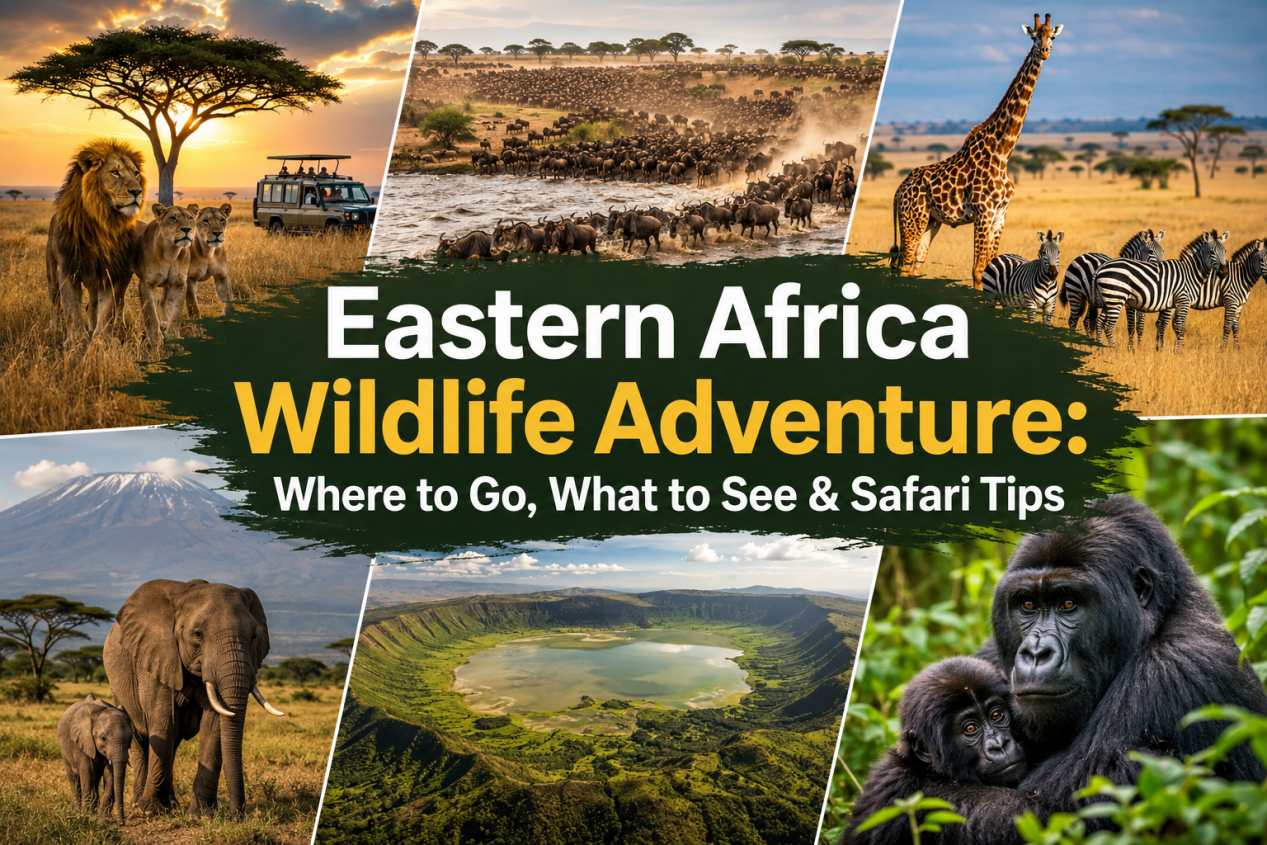
From endless savannahs and dramatic rift valleys to ancient forests covered in mist, eastern Africa wildlife experiences offers one of the most diverse and unforgettable natural experiences in the world. Kenya, Tanzania, Uganda, and Rwanda each offer unique landscapes and wildlife encounters, from the Great Migration across the plains to mountain gorilla trekking in rainforest habitats. This guide explores the best safari destinations, memorable wildlife activities, essential travel tips, and how to stay connected using RedteaGO East African eSIM during an adventure.
Why East Africa Belongs on Every Wildlife Lover’s Bucket List
East Africa is one of the world’s most iconic wildlife destinations, combining diverse ecosystems such as open savannahs, volcanic landscapes, and tropical forests. For travellers searching for the best places to see wildlife in Africa, the region offers a unique mix of biodiversity, dramatic scenery, and cultural experiences.
1.Wildlife Diversity That Goes Far Beyond the Big Five
The Big Five — lions, leopards, elephants, African buffalo, and rhinos — are among the most famous safari attractions. However, East Africa’s wildlife experience goes far beyond these animals.
The region is also home to large populations of wildebeest, zebras, giraffes, antelopes, birds, and rare primates, allowing travellers to experience different ecosystems within one journey.
2.Home to One of Nature’s Greatest Wildlife Movements
The Great Migration is one of the world’s most remarkable wildlife movements. Each year, millions of wildebeest, zebras, and other herbivores move between Tanzania’s Serengeti and Kenya’s Maasai Mara following seasonal changes in rainfall, water, and grazing conditions. The exact timing varies each year because it depends on natural environmental factors.
3.Four Countries, Four Different Safari Personalities
East Africa is not a single safari destination. Each country offers a different way to explore wildlife:
- Kenya:Known for classic savannah safaris, the Maasai Mara, and rich cultural experiences.
- Tanzania:Famous for vast wilderness areas, the Serengeti, and Ngorongoro Crater.
- Uganda:Offers rainforest adventures and mountain gorilla trekking.
- Rwanda:Combines volcanic landscapes with premium gorilla and primate experiences.
For travellers deciding where to travel in Africa for safari, the best choice depends on preferred activities, travel time, and the type of wildlife experience they want.
Best Places to See Wildlife in East Africa
Choosing the right destination is one of the most important parts of planning a safari. The following locations represent some of the most distinctive wildlife experiences in the region.
Destination | Country | Signature Experience | Wildlife Highlights | Landscape |
Maasai Mara National Reserve | Kenya | Great Migration viewing | Lions, cheetahs, wildebeest | Open savannah |
Serengeti National Park | Tanzania | Endless plains and migration | Wildebeest, zebras, big cats | Vast grasslands |
Ngorongoro Conservation Area | Tanzania | Crater wildlife viewing | Rhino, elephants, lions | Volcanic crater |
Bwindi Impenetrable National Park | Uganda | Gorilla trekking | Mountain gorillas | Rainforest |
Volcanoes National Park | Rwanda | Gorilla trekking and volcano scenery | Gorillas, golden monkeys | Mountain forest |
1.Maasai Mara National Reserve: Best Place to Experience the Great Migration
Maasai Mara National Reserve is one of Kenya’s most iconic safari destinations and part of the larger Serengeti–Mara ecosystem. The reserve is famous for its open grasslands, high wildlife concentration, and the annual Great Migration. Visitors may see wildebeest, zebras, lions, cheetahs, elephants, and other African wildlife during game drives. The Mara River crossing is one of the most iconic safari experiences, although timing depends on natural conditions such as rainfall and animal movement.
Best for:
- First-time safari travellers
- Wildlife photographers
- Visitors hoping to experience migration landscapes
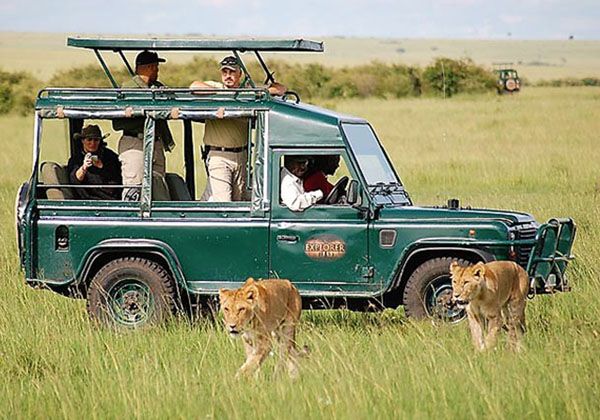
Masai Mara Safari
(Via Maasai Mara Travel Website)
2.Serengeti National Park: An Iconic African Wildlife Destination
Serengeti National Park is one of the world’s most famous safari destinations, known for endless plains and diverse wildlife. The park supports large populations of wildebeest, zebras, lions, cheetahs, and leopards, making it a major destination for wildlife viewing. As part of the Serengeti–Mara ecosystem, it plays a central role in the Great Migration. Its wide landscapes and rich biodiversity provide travellers with classic African safari experiences.
Best for:
- Long safari journeys
- Nature photography
- Travellers seeking wide-open landscapes
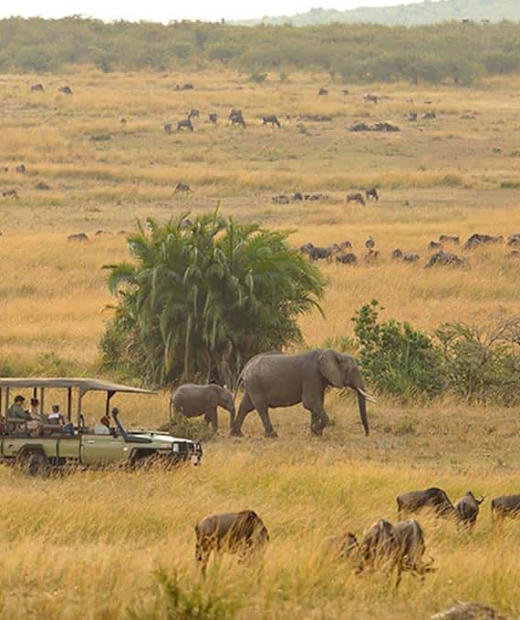
Safari in Serengeti National Park
(Via Serengeti National Park Website)
3.Ngorongoro Conservation Area: High-Density Wildlife Viewing in a Volcanic Landscape
Ngorongoro Conservation Area is known for its dramatic volcanic scenery and concentrated wildlife viewing opportunities. The Ngorongoro Crater creates a unique ecosystem where visitors can often observe lions, elephants, buffalo, zebras, wildebeest, and black rhinos in a relatively compact area. Beyond wildlife, the region also combines natural landscapes, archaeological importance, and Maasai cultural experiences.
Best for:
- Travellers with shorter safari schedules;
- Visitors interested in photography;
- Those looking for wildlife diversity in one location.
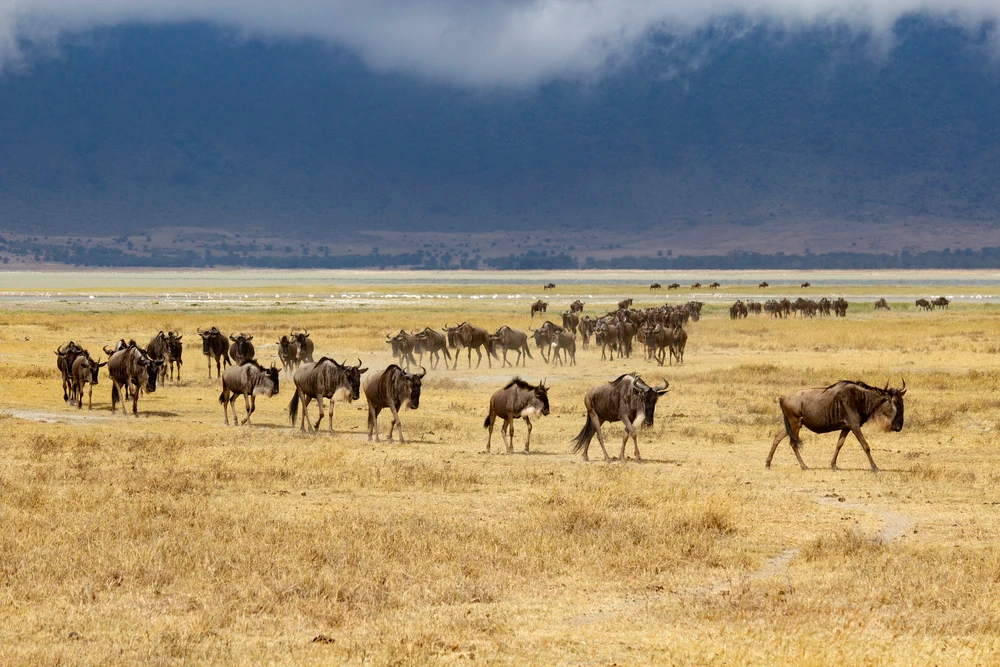
Ngorongoro Conservation Area, Wildebeests
(Roberto Carrera Hernandez, Via UNESCO)
4.Bwindi Impenetrable National Park: A Unique Mountain Gorilla Trekking Experience
Bwindi Impenetrable National Park offers a different type of wildlife adventure through rainforest trekking. Located in Uganda, the park is famous for mountain gorillas and rich biodiversity, including many forest species. Unlike traditional savannah safaris, visitors explore dense forest landscapes with guides to observe gorilla groups in their natural habitat.
Best for:
- Adventure travellers
- Hiking enthusiasts
- Visitors interested in gorilla conservation
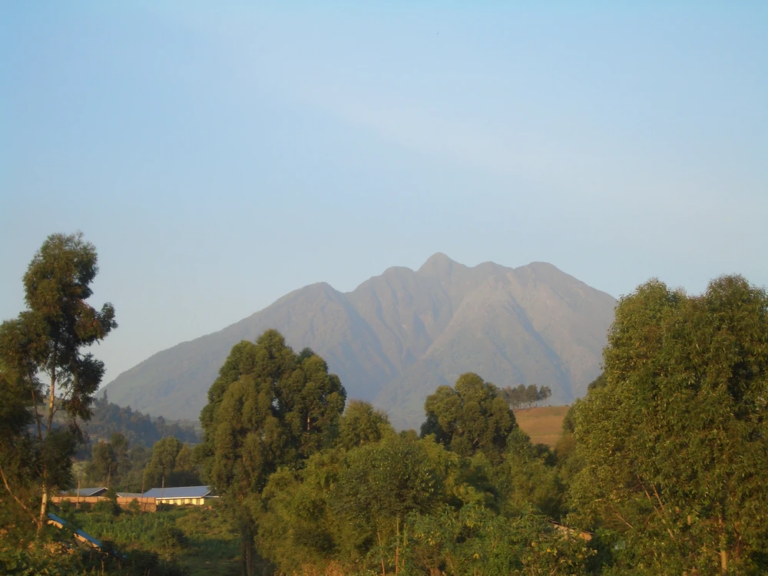
Bwindi Impenetrable National Park(Uganda)
(Ron Van Oers, Via UNESCO)
5.Volcanoes National Park: Gorilla Trekking Among Volcanic Landscapes
Volcanoes National Park is one of Rwanda’s most popular wildlife destinations, offering mountain gorilla trekking experiences within the Virunga mountain ecosystem. The park combines rainforest habitats, volcanic scenery, and opportunities to observe gorillas and golden monkeys. Its established tourism infrastructure makes it an attractive choice for international travellers seeking a well-organised wildlife adventure.
Best for:
- First-time gorilla trekkers
- International safari visitors
- Travellers combining wildlife and scenic landscapes
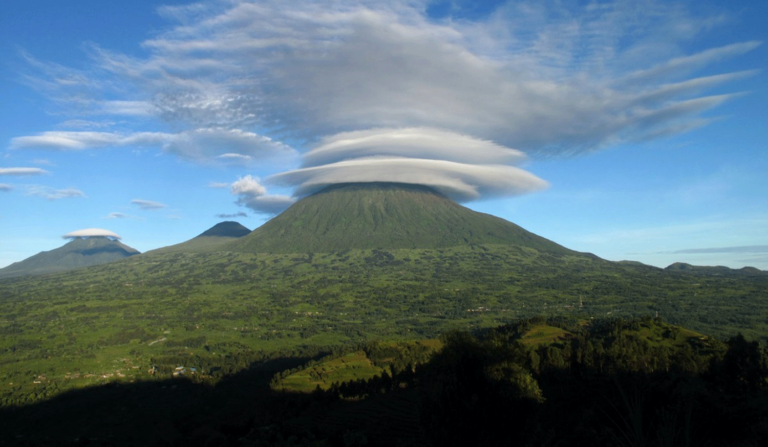
Volcanoes National Park
(Via Wikimedia Commons)
Wildlife Experiences in Eastern Africa You Won’t Forget
East Africa offers much more than traditional game drives. From migration journeys across the plains to forest trekking experiences, travellers can discover different sides of the wilds of africa while choosing activities based on their interests and travel style.
1.Witness the Great Migration Across Serengeti and Maasai Mara
The Great Migration is one of the world’s most famous wildlife events. Each year, millions of wildebeest, zebras, and other herbivores move between Tanzania’s Serengeti National Park and Kenya’s Maasai Mara following seasonal changes in rainfall and grazing conditions. The Mara River crossing is one of the most dramatic moments, although exact timing varies depending on natural factors.
⚠️Safari Tips:
- July to October is generally considered a popular period for migration viewing in the Maasai Mara.
- Book camps and safari vehicles early during peak seasons.
- Keep flexible schedules because wildlife movements cannot be predicted exactly.
2.Search for the Big Five in Their Natural Habitat
Seeing lions, leopards, elephants, buffalo, and rhinos remains a classic safari goal. Destinations such as Maasai Mara, Serengeti, and Ngorongoro provide opportunities to observe these animals in their natural environments. Unlike controlled wildlife parks, safari experiences depend on animal behaviour, weather, and ecosystem conditions, making every game drive different.
⚠️Safari Tips:
- Choose destinations based on your preferred wildlife interests.
- Local guides can provide valuable knowledge about animal behaviour and viewing locations.
- Early morning and late afternoon often provide better wildlife activity.
3.Trek Through the Forest to Meet Mountain Gorillas
Mountain gorilla trekking offers a completely different experience from traditional savannah safaris. In destinations such as Uganda’s Bwindi Impenetrable National Park and Rwanda’s Volcanoes National Park, visitors hike through forest landscapes with trained guides to observe gorilla families in their natural habitat. Gorilla trekking requires permits and follows strict conservation guidelines to protect these endangered animals.
⚠️Safari Tips:
- Reserve gorilla permits in advance, especially during popular travel periods.
- Prepare for hiking conditions with waterproof clothing and suitable footwear.
- Follow park rules to minimise disturbance to wildlife.
4.Experience the Savannah from Above with a Hot-Air Balloon Safari
A hot-air balloon safari provides a unique perspective of East Africa’s landscapes. Flying above the Serengeti or Maasai Mara at sunrise lets travellers see the scale of the savannah, observe wildlife movement, and capture aerial photographs. This experience is usually scheduled in the early morning when weather conditions are often more suitable.
⚠️Safari Tips:
- Check weather conditions before booking.
- Bring camera equipment and prepare for cooler morning temperatures.
- Allow extra time in your itinerary because flights may be affected by weather.
5.Exploring Rivers, Lakes, and Wetlands Through Boat Safaris
East Africa’s wildlife experiences are not limited to land. Boat safaris provide another way to observe animals, especially around rivers and lakes where hippos, crocodiles, birds, and other wildlife gather. Locations such as Uganda’s Kazinga Channel offer opportunities to experience quieter wildlife viewing away from traditional vehicle routes.
⚠️Safari Tips:
- Bring binoculars for birdwatching and distant wildlife observation.
- Choose morning or afternoon trips for better lighting conditions.
- Combine boat experiences with land safaris for a more complete itinerary.
Important Tips for a Smooth Wildlife Adventure
A successful East African safari requires more than choosing the right destination. Travellers should also prepare for changing environments, remote locations, and cross-border travel conditions.
- 📅 Match Your Travel Dates to Your Wildlife Priorities:Align your calendar with your specific goals—target the dry months (June to October) for optimal predator sightings and general game viewing, or plan around seasonal birthing and migration windows for specialised photography.
- 🎫 Reserve High-Demand Experiences Early: Permits for gorilla trekking, peak-season safari lodges, and hot-air balloon excursions book out months in advance due to strict daily visitor limits designed to protect fragile ecosystems.
- 🎒 Pack for the Bush, Not Just the Photos:Opt for neutral-colored clothing, sturdy broken-in hiking boots, lightweight rain gear, high-SPF sun protection, and a quality zoom lens or binoculars to handle variable weather and dusty terrain.
- 🦁 Respect Wildlife and Park Rules:Always maintain a respectful distance from wild animals, follow your guide’s safety instructions strictly, avoid littering, and refrain from making loud noises that could disturb the natural environment.
- 📶 Prepare for Border Crossings and Remote Areas: Ensure your passport validity, visa requirements, and necessary vaccinations are up to date. Because cellular coverage can be patchy in remote national parks, securing reliable mobile connectivity ahead of time is essential.
Stay Connected Seamlessly: Explore East Africa with RedteaGO eSIM
Exploring East Africa often means travelling across remote wildlife areas and multiple destinations. Reliable mobile connectivity can help travellers with navigation, communication, and travel arrangements throughout their safari journey.
RedteaGO is a travel eSIM platform that provides digital connectivity solutions for international travellers. With eSIM technology, users can purchase a mobile data plan before departure and activate connectivity without needing a physical SIM card.
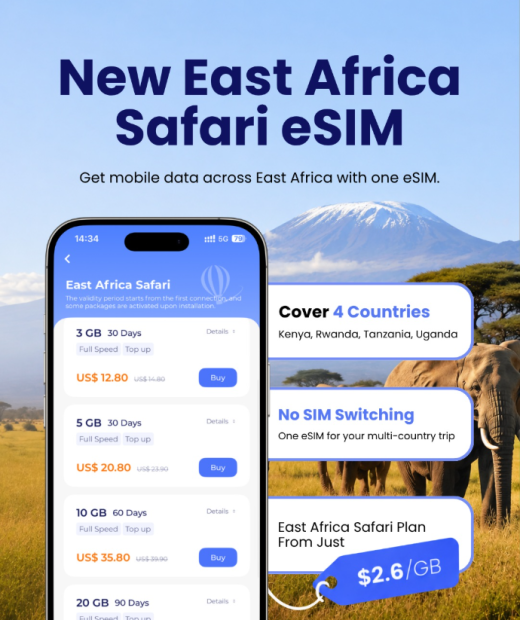
Designed for travellers exploring Kenya, Tanzania, Uganda, and Rwanda, RedteaGO East Africa Safari eSIM provides a single regional connectivity solution for multi-country safari routes, reducing the need to switch between local SIM cards when crossing borders. The East Africa Safari eSIM offers flexible plans based on different travel durations and data needs. Options include:
- Short trips:1GB (30 days, USD 6.00), suitable for basic needs such as maps and messaging.
- Regular safari journeys:3GB (30 days, USD 12.80) or 5GB (30 days, USD 20.80), suitable for travellers sharing photos, checking bookings, and staying connected during daily activities.
- Longer adventures:10GB (60 days, USD 35.80), 20GB (90 days, USD 58.80), or 50GB (180 days, USD 128.80) for extended travel or higher data usage.
By preparing connectivity before departure, travellers can spend less time arranging local SIM cards and more time enjoying East Africa’s landscapes, wildlife, and cultural experiences.
Conclusion
Experiencing the raw majesty of Eastern Africa’s wildlife and landscapes leaves an indelible mark on every traveller, from witnessing thunderous river crossings to sharing quiet moments with mountain gorillas.
Choose a RedteaGO East Africa eSIM for dependable connectivity on the go, and begin planning your East African wildlife adventure with convenient connectivity!
Sources & References
- Maasai Mara National Reserve – Official Website, Maasai Mara Travel, https://www.masaimara.travel/
- Serengeti National Park, Wikipedia, https://en.wikipedia.org/wiki/Serengeti_National_Park
- Serengeti National Park – Official Information and Conservation Resources, Serengeti.com, https://www.serengeti.com/
- Ngorongoro Conservation Area – UNESCO World Heritage Centre, UNESCO, https://whc.unesco.org/en/list/39/
- Ngorongoro Conservation Area, Wikipedia, https://en.wikipedia.org/wiki/Ngorongoro_Conservation_Area
- Bwindi Impenetrable National Park, Wikipedia, https://en.wikipedia.org/wiki/Bwindi_Impenetrable_National_Park
- Bwindi Impenetrable National Park – UNESCO World Heritage Centre, UNESCO, https://whc.unesco.org/en/list/682/
- Volcanoes National Park, Wikipedia, https://en.wikipedia.org/wiki/Volcanoes_National_Park
- Volcanoes National Park – Official Website, Volcanoes National Park, https://www.volcanoesnationalpark.com/

Leave a Reply