
When planning a trip to Oceania, choosing between New Zealand and Australia can be an exciting decision for first-time visitors. Australia draws millions of visitors annually with its vibrant coastal cities and vast red outback, while New Zealand captivates millions more through its dramatic alpine peaks and glacial fjords.
According to Tourism Research Australia[1], Australia recorded 8.4 million international visitor trips in the year ending June 2026. Meanwhile, data from Stats NZ shows that New Zealand welcomed 3.69 million overseas visitors in the year ending July 2026, highlighting the continued growth in international travel to both destinations[2].
This comprehensive guide compares natural attractions, travel costs, transportation, weather, and ideal itineraries to help first-time visitors pick the right destination.
New Zealand vs Australia at a Glance
Before comparing specific destinations, here’s a quick overview of what makes each country different.
Category | New Zealand | Australia |
Natural scenery | Mountains, lakes, fjords, geothermal landscapes | Beaches, coral reefs, rainforests, deserts |
Travel experiences | Hiking, adventure sports, scenic drives | City sightseeing, wildlife, coastal activities |
Travel costs | Significant car rental and adventure activity expenses | Potentially higher domestic flight costs |
Transportation | Rental cars, campervans, buses | Urban public transport, domestic flights |
Climate | Temperate, with noticeable seasonal changes | Tropical, temperate, and desert climates |
Best travel style | Nature-focused road trips | City breaks and diverse regional adventures |
Quick takeaway: New Zealand suits travelers seeking concentrated outdoor experiences, while Australia offers greater variety in cities, climates, and landscapes.
New Zealand vs Australia: Key Differences for First-Time Visitors
1.Natural Landscapes and Attractions
Both countries offer extraordinary scenery, but their landscapes create very different travel experiences.
(1)New Zealand: Mountains, Lakes, and Fjords
- Queenstown: Alpine scenery, Lake Wakatipu, and adventure activities.
- Rotorua: Geothermal wonders, including hot springs and bubbling mud pools.
- Milford Sound: Towering cliffs, waterfalls, and spectacular fjord cruises.
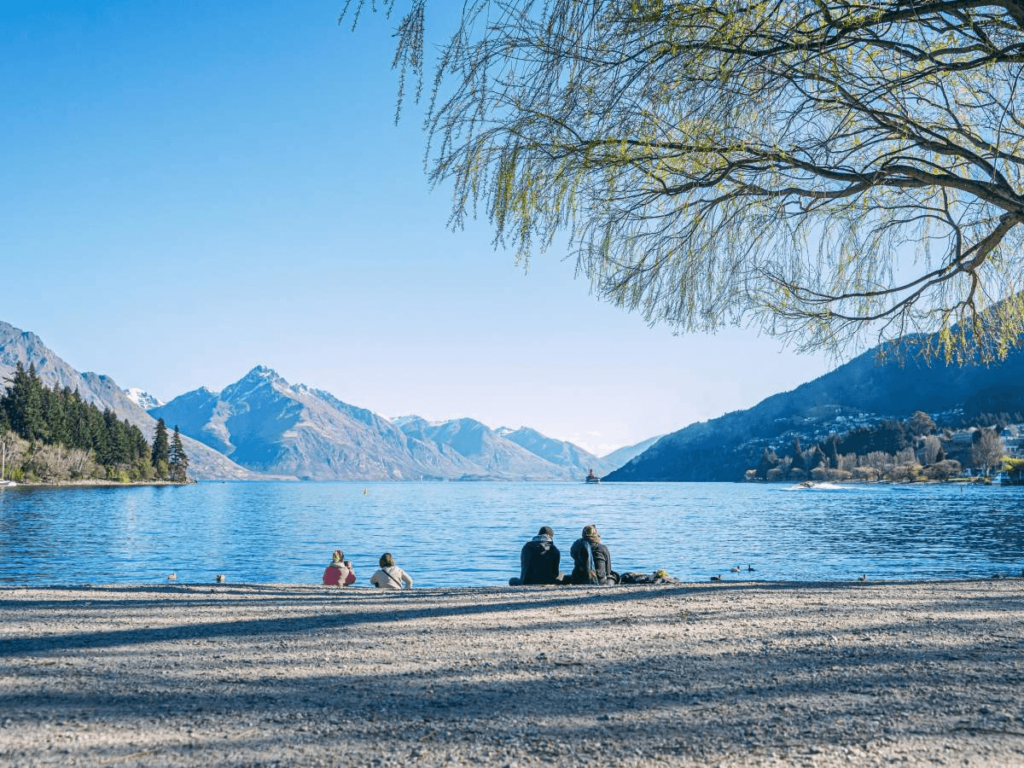
Queenstown Lakefront in spring
(Via Queenstown New Zealand Official Website)
(2)Australia: Beaches, Reefs, and Iconic Landmarks
Australia’s vast geography offers everything from tropical coastlines to ancient desert landscapes.
- Great Barrier Reef: Snorkeling, diving, and colorful marine ecosystems.
- Uluru: A striking desert landmark with deep Aboriginal cultural significance.
- Sydney Opera House: An iconic architectural attraction overlooking Sydney Harbour.
Which is better? Choose New Zealand for mountain scenery and scenic road trips, or Australia for beaches, wildlife, and diverse natural attractions.
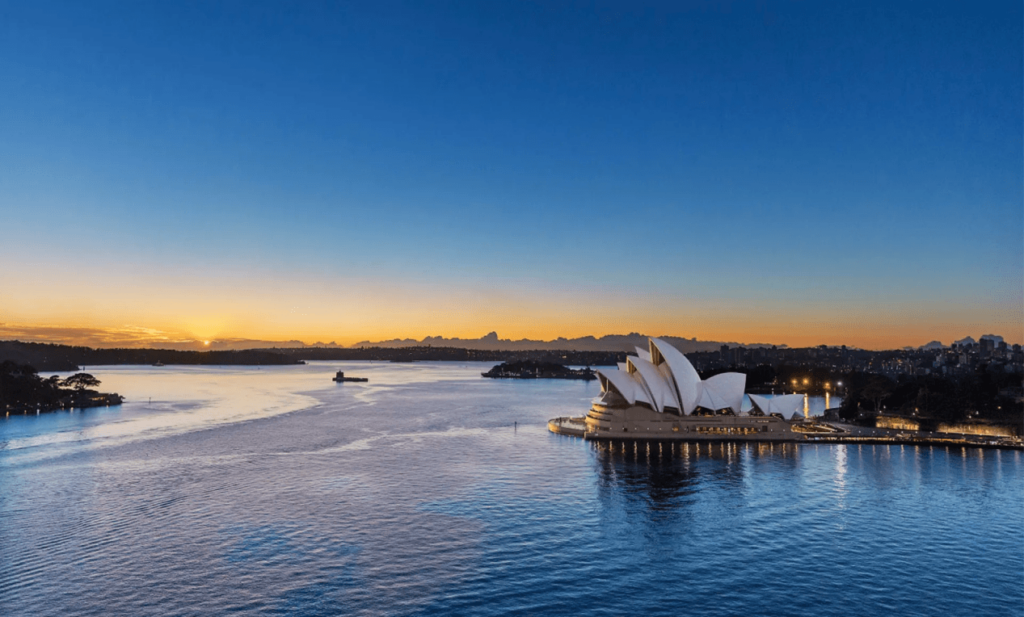
Sydney Opera House
(Via Sydney Opera House Official Website)
2.Cities, Culture, and Travel Experiences
Beyond natural attractions, both destinations offer distinctive cultural experiences.
In New Zealand, Auckland and Wellington combine waterfront dining, museums, and creative neighborhoods with easy access to nature. Visitors can explore Māori culture through guided experiences and traditional performances or enjoy hiking, kayaking, and bungee jumping.
In Australia, Sydney offers famous landmarks, shopping, and beaches, while Melbourne is celebrated for its cafes, street art, and food scene. Travelers can also discover Aboriginal and Torres Strait Islander cultures through Indigenous-led experiences.
Your ideal destination may depend on your travel style:
Travel style | Recommended destination |
Nature lovers | New Zealand for hiking and alpine landscapes |
Adventure seekers | Both, depending on preferred activities |
Families | Australia for wildlife encounters and beaches |
City explorers | Australia for Sydney and Melbourne |
Road trip enthusiasts | New Zealand for scenic driving routes |
3.Travel Costs and Budget Considerations
Travel expenses matter when deciding between New Zealand and Australia. Both are relatively expensive destinations, although accommodation choices, transportation, and activities often matter more than the country itself.
According to official tourism guides, typical accommodation and dining prices include:
Expense | New Zealand | Australia |
Hostel dorm bed | NZ$17–35/night | From AU$20/night |
Hotel accommodation | NZ$80–200/night (3-star) | AU$100–200/night (last-minute deals) |
Casual restaurant meal | NZ$20–35 | Varies by city and restaurant |
Transportation can significantly increase expenses. New Zealand travelers often budget for rental cars, campervans, and adventure tours, while Australian itineraries may require domestic flights between distant destinations.
Budget tip: Traveling during shoulder seasons, booking accommodation early, and limiting long-distance transfers can help reduce costs in either country.
4.Transportation and Getting Around
Transportation is a key consideration in the New Zealand vs Australia comparison, especially for first-time visitors.
(1)New Zealand: Best for Scenic Road Trips
Self-driving is a popular way to explore New Zealand’s lakes, mountains, and smaller towns. Rental cars and campervans provide flexibility, while intercity buses and domestic flights offer alternatives.
However, winding roads and mountainous terrain can increase travel times, making careful route planning essential.
(2)Australia: Best for City Travel and Regional Flights
Major cities like Sydney and Melbourne have established public transportation systems, making sightseeing convenient without a rental car.
For longer distances, domestic flights are often the most practical option. Rental cars are useful for coastal drives, national parks, and regional attractions.
Travel tip: New Zealand is well suited to a regional road trip, while Australia’s vast distances make it important to prioritize specific cities or regions.
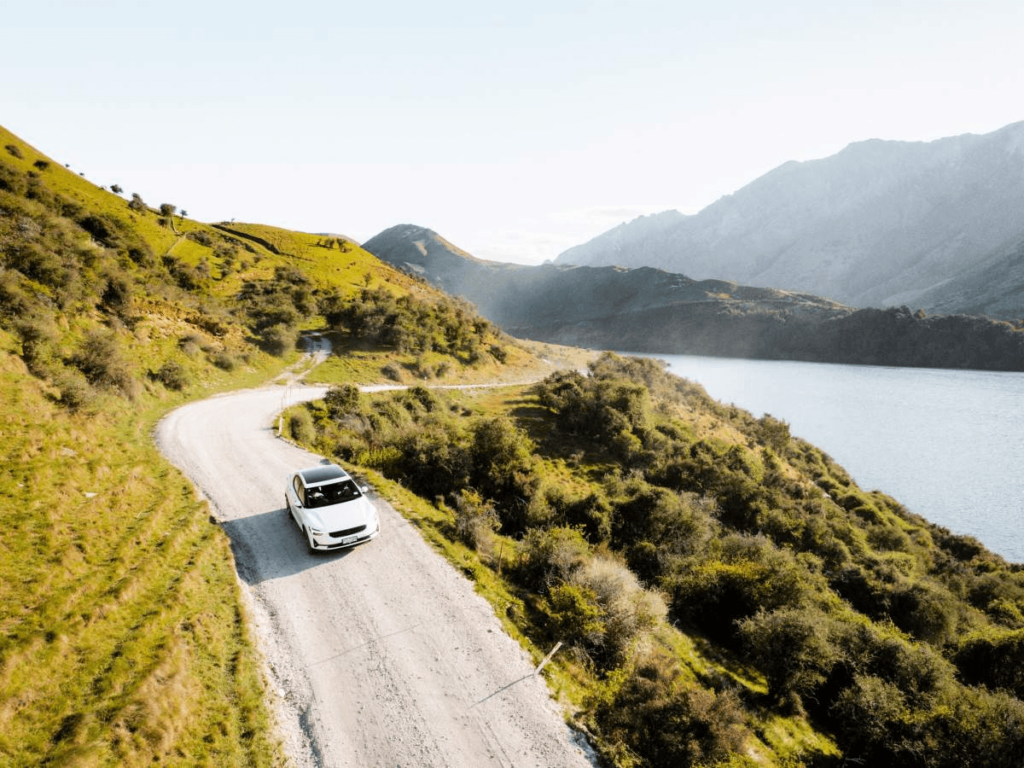
Driving in an EV to Moke Lake
(Via Queenstown New Zealand Official Website)
5.Weather and Best Time to Visit
Both countries are in the Southern Hemisphere, where seasons are opposite those in the Northern Hemisphere.
(1)New Zealand
- December–February:Summer, ideal for hiking, sightseeing, and outdoor adventures.
- March–May:Autumn, offering colorful landscapes and generally cooler conditions.
- June–August:Winter, especially attractive for skiing around Queenstown.
- September–November:Spring, bringing changing temperatures and blooming landscapes.
Mountain weather can change quickly, so travelers should prepare for variable conditions.
(2)Australia
Australia’s climate varies considerably by region. Southern destinations such as Sydney and Melbourne generally experience warm summers from December to February. In contrast, tropical northern Australia has a wet season typically running from November to April and a dry season from May to October.
For beach holidays in southern Australia, summer is appealing. For tropical northern adventures, the dry season is often more comfortable.
New Zealand or Australia: Which Should You Visit Based on Your Trip Length?
1.For a 7-Day Trip
With only one week available, avoid trying to see an entire country.
- New Zealand itinerary:Spend several days exploring Auckland and Rotorua, combining urban attractions, geothermal experiences, and Māori cultural activities. Alternatively, base yourself in Queenstown for lake views, nearby hikes, and adventure activities.
- Australia itinerary:Spend five days in Sydney, visiting the Opera House, harbour, and beaches. Reserve another day or two for the Blue Mountains.
Both options minimize travel time and make for a more relaxed first visit.
2.For a 10–14-Day Trip
A longer vacation provides greater flexibility.
- New Zealand itinerary:Consider a South Island road trip through Queenstown, Aoraki/Mount Cook, Lake Tekapo, and Christchurch. This route emphasizes mountain scenery, hiking, and scenic driving. Alternatively, combine selected North and South Island highlights using domestic flights.
- Australia itinerary:Divide your time between Sydney and Melbourne, enjoying beaches, cultural attractions, restaurants, and nearby day trips. Another option is to explore Queensland, combining coastal attractions with rainforest experiences.
New Zealand itineraries often involve more driving, while Australian multi-city trips may require flights.
3.For a 3-Week or Longer Trip
Have three weeks or more? A combined New Zealand and Australia trip becomes an attractive option.
Consider this sample itinerary:
Destination | Suggested stay | Highlights |
Sydney | 5 days | Harbour, beaches, Blue Mountains |
Melbourne | 4 days | Culture, food, coastal day trips |
Queenstown | 6 days | Alpine scenery, outdoor adventures |
Auckland | 5 days | Waterfront, islands, nearby attractions |
Allow additional time for international flights and airport transfers.
Importantly, Australia and New Zealand have separate entry requirements. Check visa or travel authorization eligibility for both countries before booking.
Staying Connected in Australia and New Zealand with RedteaGO eSIM
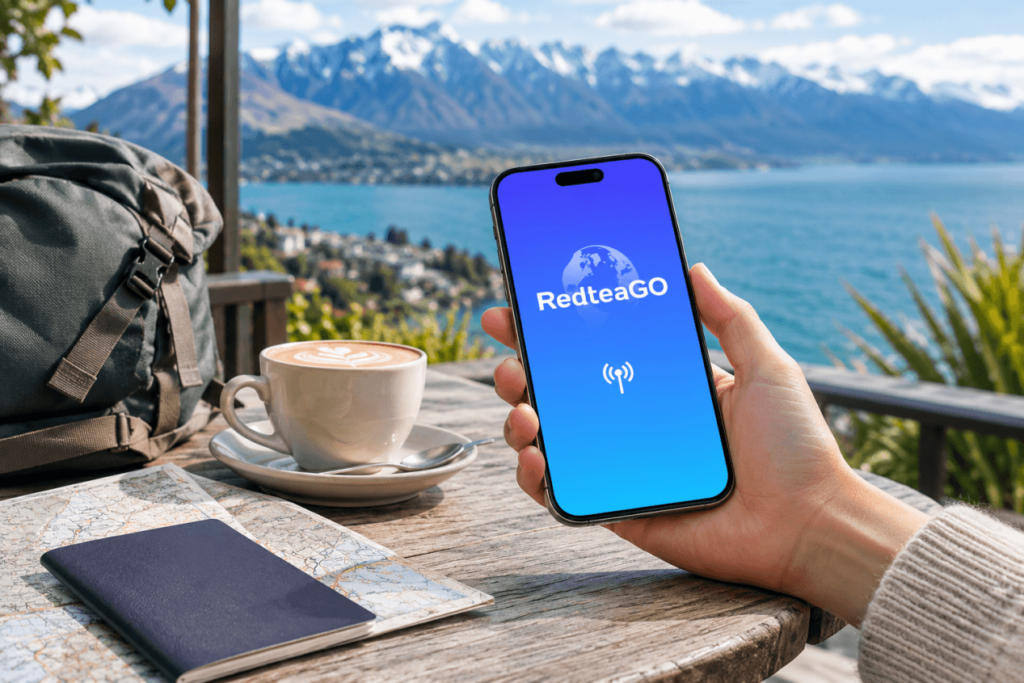
Whether navigating New Zealand’s scenic highways or exploring Australia’s cities, reliable mobile data helps travelers access maps, accommodation bookings, transportation apps, and messaging services.
For travelers visiting both destinations, RedteaGO’s Australia & New Zealand eSIM provides regional mobile data coverage through one digital eSIM. Instead of switching between separate country-specific products, travelers can select a suitable data allowance and validity period.
The following data-only packages are listed on RedteaGO’s official website:
Data allowance | Validity | Price (USD) |
1GB | 30 days | $2.00 |
3GB | 30 days | $5.40 |
5GB | 30 days | $8.60 |
10GB | 60 days | $16.00 |
20GB | 90 days | $30.00 |
50GB | 180 days | $50.80 |
RedteaGO also advertises hotspot sharing, top-up options, and 24/7 customer support, subject to applicable plan conditions.
Before departure, confirm your phone supports eSIM and is carrier-unlocked. Then purchase a suitable plan and follow RedteaGO’s QR-code installation instructions. Check activation requirements before traveling to avoid unexpectedly starting your plan’s validity period.
Conclusion
New Zealand rewards nature lovers and road-trip enthusiasts with compact, breathtaking alpine landscapes, while Australia delights explorers with dynamic cities, world-famous beaches, and diverse wildlife. Whether you’re exploring one country or both, RedteaGO’s New Zealand & Australia eSIM offers a convenient way to stay connected throughout your journey, wherever local network coverage is available.
References
Tourism Research Australia. International tourism results. https://www.tra.gov.au/en/tourism-statistics/international-tourism-results
Stats NZ.International travel: July 2026. https://www.stats.govt.nz/information-releases/international-travel-july-2026/
Tourism Australia. Australian budget guide.https://www.australia.com/en/facts-and-planning/about-australia/australia-on-budget.html
Tourism Australia. When is the best time to visit Australia?.https://www.australia.com/en/facts-and-planning/when-to-go/best-time-to-visit.html
Tourism Australia. How long do I need for my trip to Australia?.https://www.australia.com/en/facts-and-planning/planning-tools/how-long-to-visit.html
Tourism New Zealand. New Zealand climate and weather.https://www.newzealand.com/us/feature/new-zealand-climate-and-weather/
Tourism New Zealand. New Zealand currency & costs.https://www.newzealand.com/au/feature/new-zealand-currency/

Leave a Reply